
Tooth wear is the gradual loss of the tooth’s natural structure. It can affect the enamel and, when advanced, expose the softer dentin underneath. Unlike tooth decay, tooth wear can develop without bacteria being the main cause. Grinding and clenching, acidic foods and drinks, aggressive brushing, and certain dental habits can all contribute to the problem.
Early tooth wear may not cause noticeable symptoms, but over time it can lead to sensitivity, flattened teeth, chipped edges, changes in bite, and an altered smile appearance. Identifying the cause early is important because treatment is not only about repairing worn teeth but also about preventing further damage.
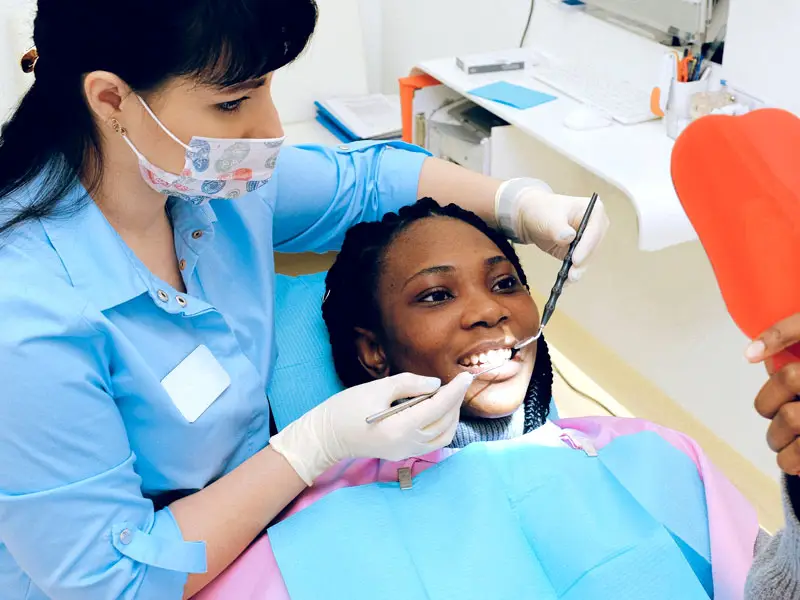
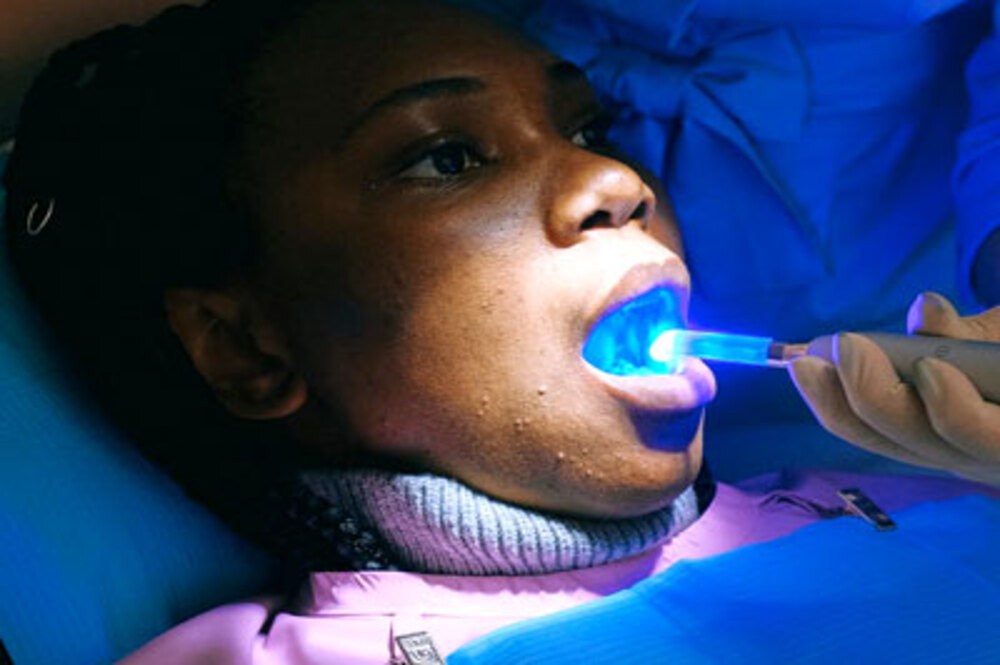
At Microdent Dentistry, patients can undergo a detailed dental evaluation to understand the extent and possible cause of tooth wear and discuss appropriate preventive or restorative treatment options.
What Causes Tooth Wear?

Tooth wear can develop through different mechanisms. The most common types include attrition, abrasion, and erosion.
Attrition
Attrition occurs when teeth repeatedly rub against each other. Teeth grinding and clenching, known as bruxism, can gradually flatten the biting surfaces and contribute to cracks, sensitivity, and loss of tooth structure.
Abrasion
Abrasion is physical wear caused by external factors. Brushing with excessive pressure, using a hard-bristled toothbrush, or repeatedly biting certain objects can contribute to this type of wear.
Erosion
Dental erosion occurs when acids gradually soften and dissolve minerals from the tooth surface. Frequent consumption of acidic drinks, fruit juices, carbonated beverages, and acidic foods can increase the risk. Acid from the stomach, such as with reflux, can also affect the teeth.
Signs of Tooth Wear
Tooth wear develops gradually, so recognising the early signs can help with timely treatment.
Common signs include:
- Increased sensitivity to hot or cold foods
- Flattened or shortened teeth
- Chipped or thin-looking edges
- Changes in tooth shape
- Yellowish areas where dentin becomes more visible
- Smooth or worn tooth surfaces
- Difficulty chewing comfortably
- Changes in the way the upper and lower teeth meet
If you notice these changes, consulting a dentist in Pune can help determine the underlying cause.
Modern Tooth Wear Treatment Options
Treatment depends on how much tooth structure has been lost and what is causing the wear. Modern dentistry focuses on conserving healthy tooth structure wherever possible rather than automatically choosing extensive restorations.
Digital Bite Analysis
One modern approach to managing tooth wear is detailed assessment of the patient’s bite. Digital records and bite analysis can help dentists understand how the upper and lower teeth contact each other and identify areas receiving excessive pressure.
This information can be useful when planning treatment for patients with significant tooth wear or suspected bruxism.
Customised Digital Night Guards
For patients whose tooth wear is associated with grinding or clenching, a customised night guard may be recommended.
Instead of using a generic appliance, a professionally designed guard can be created based on the patient’s teeth and bite. Modern digital impressions can also make the process more comfortable and precise.
A night guard does not necessarily stop the habit of grinding, but it can help protect the teeth from excessive tooth-to-tooth contact.
Minimally Invasive Composite Rehabilitation
When tooth wear is mild to moderate, composite bonding may be used to rebuild selected areas of lost tooth structure.
This minimally invasive approach can restore worn edges, improve tooth shape, and support function while preserving as much natural tooth structure as possible. It may be suitable for selected cases after assessing the patient’s bite and the cause of the wear.
CAD/CAM Dental Restorations
For more advanced tooth wear, digitally designed restorations may be considered. CAD/CAM technology allows restorations to be planned digitally and manufactured with a high degree of consistency.
Depending on the clinical situation, restorations such as crowns, onlays, or other indirect restorations may be used to restore damaged teeth and improve function.
The appropriate material and restoration depend on factors such as remaining tooth structure, bite forces, aesthetics, and overall oral health.
Full-Mouth Rehabilitation for Advanced Wear
Severe tooth wear can affect multiple teeth and may change the patient’s bite and chewing function. In selected cases, a comprehensive full-mouth rehabilitation approach may be considered.
This involves carefully planning the relationship between the teeth, bite, aesthetics, and function before restorative treatment begins. Digital photographs, scans, bite records, and diagnostic planning can assist in creating a structured treatment plan.
Can Tooth Wear Be Prevented?
Once significant enamel is lost, it cannot naturally grow back. However, preventing further wear is an important part of treatment.
Protect Your Teeth From Acid
Try to reduce frequent exposure to acidic beverages and foods. Drinking water after acidic foods or drinks can help rinse the mouth.
Avoid brushing immediately after consuming acidic foods or beverages because the tooth surface may temporarily be more vulnerable to mechanical wear.
Improve Your Brushing Technique
Use a soft-bristled toothbrush and avoid applying excessive pressure. Your dentist can demonstrate an appropriate brushing technique if you are unsure.
Address Teeth Grinding
If you regularly wake up with jaw discomfort, headaches, tooth sensitivity, or notice flattened teeth, discuss possible grinding or clenching with your dentist. A customised night guard may be recommended when clinically appropriate.
Avoid Using Teeth as Tools
Opening packets, biting pens, chewing hard objects, or using your teeth to hold items can increase the risk of chips and mechanical wear.
When Should You Visit a Dentist?
You should consider a dental examination if you notice increasing sensitivity, flattened teeth, chipped edges, or visible changes in your tooth shape. Early diagnosis can help identify the cause before more tooth structure is lost.
At Microdent Dentistry, a dental clinic in Pune, the dental team can assess tooth wear and discuss preventive, protective, or restorative options based on individual requirements.
Whether the problem is related to acid erosion, grinding, brushing habits, or another factor, treating the underlying cause is an important part of protecting your natural teeth.
Protect Your Smile With Timely Dental Care
Tooth wear is a gradual process, but early attention can make a significant difference. Modern dentistry offers several options ranging from preventive care and customised night guards to minimally invasive bonding and digitally planned restorations.
If you are experiencing tooth sensitivity, worn teeth, or changes in your bite, consult a dentist in Pune for a proper evaluation. At Microdent Dentistry, treatment can be planned according to the condition of your teeth, the cause of wear, and your long-term oral health goals.
Call Now: +91 72640 08000 / +91 90216 81032
Find Clinic here: Get Direction
Location: Ground Floor, block 4, Sarvadarshan Co-op Housing Society Ltd Abhinav Chowk, Karve Rd, opp. Saraswat Bank, Nal Stop, Pune, Maharashtra 411004