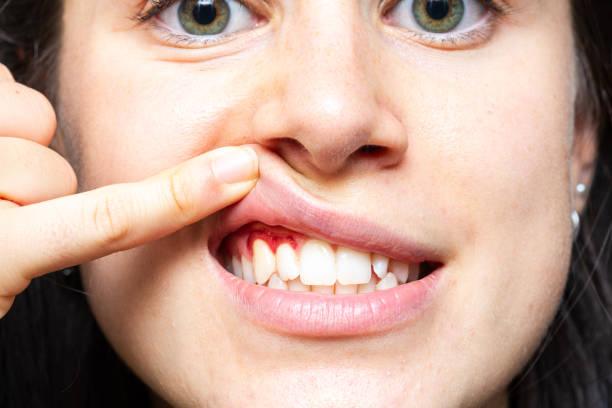

Healthy gums are essential for protecting your teeth, supporting oral health and maintaining a confident smile. However, gum recession can gradually expose the roots of your teeth, leading to sensitivity, an uneven gum line and an increased risk of dental problems. Gum grafting is a specialised dental procedure that helps restore lost gum tissue, cover exposed tooth roots and improve gum health.
If you are searching for gum grafting treatment in Pune, understanding the procedure, available techniques, benefits and recovery process can help you make an informed decision. At Microdent Dentistry, patients can consult experienced dental professionals, including Dr. Rohit Joshi, for a detailed evaluation of their gum health and appropriate treatment recommendations.
What Is Gum Grafting Treatment?
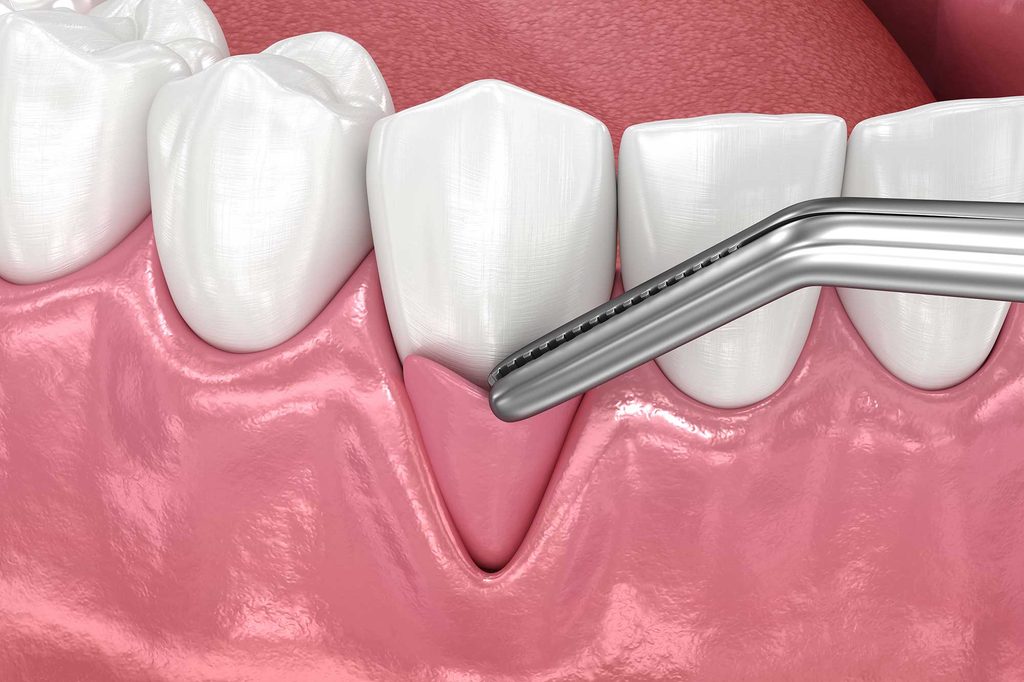
Gum grafting is a periodontal surgical procedure performed to treat gum recession. It involves placing healthy gum tissue over areas where the gums have moved away from the teeth, exposing the underlying roots.
The graft tissue may be collected from the patient’s palate, taken from nearby gum tissue or obtained from an appropriate donor source, depending on the treatment requirements.
The primary purpose of gum grafting is to improve gum coverage, increase tissue thickness and protect exposed tooth roots. It may also help reduce tooth sensitivity and improve the appearance of the gum line.
People looking for a dentist in Pune should consider a gum health examination if they notice receding gums, visible tooth roots or persistent sensitivity.
What Causes Gum Recession?
Gum recession can develop gradually and may affect one or multiple teeth. Several factors can contribute to the condition.
Common causes of gum recession include:
- Aggressive brushing: Brushing too hard or using a hard-bristled toothbrush can contribute to gum tissue damage.
- Gum disease: Periodontal infections can damage the gums and supporting structures around the teeth.
- Genetic factors: Some individuals naturally have thin gum tissue, making them more susceptible to recession.
- Misaligned teeth: Certain tooth positions may contribute to inadequate gum coverage.
- Tobacco use: Smoking and tobacco consumption can negatively affect gum health and healing.
- Teeth grinding: Excessive pressure on teeth may contribute to certain periodontal problems.
- Poor oral hygiene: Plaque accumulation can increase the risk of gum inflammation and periodontal disease.
Identifying and managing the underlying cause is important for maintaining the results of gum grafting treatment.
When Is Gum Grafting Recommended?
Gum grafting may be recommended when gum recession affects the appearance, comfort or health of your teeth.
Your dentist may consider this treatment if you experience:
- Increased sensitivity to hot, cold or sweet foods.
- Exposed tooth roots due to receding gums.
- Teeth appearing longer than usual.
- Thin or weak gum tissue around certain teeth.
- Discomfort while brushing near the affected area.
- Progressive gum recession.
- Difficulty maintaining oral hygiene around exposed roots.
Not every case of gum recession requires surgery. A dental examination helps determine whether gum grafting or another periodontal treatment is more suitable.
Types of Gum Grafting Procedures
Different gum grafting techniques are available depending on the extent of recession, gum thickness and individual oral health requirements.
1. Connective Tissue Graft
Connective tissue grafting is a commonly used technique for treating exposed tooth roots. A small amount of connective tissue is collected from beneath the surface tissue of the palate and positioned over the affected area.
It is frequently considered when additional gum coverage is required to protect exposed roots.
2. Free Gingival Graft
In this technique, a small piece of tissue is taken directly from the roof of the mouth and attached to the affected gum area.
It is generally used to increase the thickness of existing gum tissue and strengthen areas with insufficient attached gingiva.
3. Pedicle Graft
A pedicle graft uses gum tissue from an area close to the affected tooth. The tissue is partially separated, repositioned over the exposed root and kept attached to its original blood supply.
This technique may be suitable when sufficient healthy gum tissue is available near the affected tooth.
The dentist selects the most appropriate technique after evaluating the patient’s gum condition and treatment requirements.
How Is the Gum Grafting Procedure Performed?
Patients considering gum grafting in Pune often want to understand what happens during the treatment. Although the exact procedure varies, it generally involves the following steps.
Step 1: Dental Examination
The dentist examines your gums, measures the extent of recession and evaluates the supporting structures around the affected teeth. Your medical and dental history may also be reviewed.
Step 2: Local Anaesthesia
Local anaesthesia is administered to numb the treatment area and minimise discomfort during the procedure.
Step 3: Graft Tissue Preparation
Depending on the selected technique, the dentist collects suitable tissue from the patient’s palate, nearby gum tissue or an appropriate donor source.
Step 4: Graft Placement
The prepared graft is carefully positioned over the affected area and secured using fine sutures. The surgical site is managed to support proper healing.
Step 5: Post-Treatment Instructions
After the procedure, the dentist provides instructions regarding diet, oral hygiene, prescribed medications and follow-up appointments.
The duration of gum grafting depends on the number of teeth involved, the grafting technique and the complexity of the case.
Benefits of Gum Grafting Treatment
Gum grafting offers several potential benefits for patients experiencing gum recession.
Protects Exposed Tooth Roots
Gum grafting helps cover exposed root surfaces, reducing their vulnerability to external irritation and damage.
Helps Reduce Tooth Sensitivity
Exposed roots can cause discomfort when consuming hot, cold or sweet foods. Additional gum coverage may help reduce this sensitivity.
Improves Gum Appearance
Gum recession can create an uneven gum line and make teeth appear longer. Gum grafting may improve gum symmetry and smile aesthetics.
Increases Gum Tissue Thickness
The procedure can strengthen selected areas by adding healthy tissue, providing better protection around the teeth.
Helps Manage Further Gum Recession
Gum grafting may help protect vulnerable areas from additional recession. However, controlling the underlying causes remains important for long-term gum health.
Supports Better Oral Hygiene
Improved gum coverage may make certain areas more comfortable to clean and maintain.
The final results depend on the severity of recession, surgical technique, oral hygiene and individual healing response.
Gum Grafting Recovery: What to Expect After Treatment
Recovery is an important part of successful gum grafting treatment. Patients may experience mild swelling, tenderness or discomfort during the initial healing period.
Following your dentist’s instructions can help support healing and protect the grafted tissue.
Important Recovery Tips
- Eat soft foods: Choose foods such as curd, khichdi, mashed vegetables and soft foods that are not too hot.
- Avoid hard and crunchy foods: Stay away from chips, nuts and other foods that may disturb the surgical area.
- Maintain oral hygiene: Follow your dentist’s instructions regarding brushing and cleaning around the grafted area.
- Avoid smoking and tobacco: These can interfere with healing and increase the risk of complications.
- Take prescribed medications: Follow the recommended medication schedule and do not self-medicate.
- Avoid disturbing the graft: Do not touch, pull or apply pressure to the surgical area with your fingers or tongue.
- Attend follow-up appointments: Regular examinations help your dentist monitor the healing process.
How Long Does Gum Grafting Take to Heal?
Initial healing generally takes around one to two weeks, although this varies depending on the procedure and individual circumstances. Complete tissue maturation may take several weeks or longer.
During recovery, contact your dentist if you experience increasing pain, persistent bleeding, unusual swelling or other concerning symptoms.
How to Maintain Healthy Gums After Gum Grafting?
Maintaining good oral hygiene is essential for protecting your gums and supporting long-term treatment outcomes.
Consider these preventive practices:
- Brush twice daily using a soft-bristled toothbrush.
- Use gentle brushing techniques without applying excessive pressure.
- Clean between your teeth regularly as advised by your dentist.
- Schedule routine dental check-ups and professional cleaning when recommended.
- Avoid smoking and tobacco products.
- Seek dental advice if you notice bleeding gums, sensitivity or signs of recession.
Regular periodontal assessments can help identify gum problems early and reduce the risk of further complications.
Choose Microdent Dentistry for Gum Health Evaluation in Pune
Healthy gums are an important part of maintaining strong teeth and long-term oral health. If you are experiencing gum recession, exposed tooth roots or increased sensitivity, consulting a dental professional can help you understand the available treatment options.
At Microdent Dentistry, patients can consult Dr. Rohit Joshi for an assessment of their gum health and personalised dental care recommendations. Whether you need advice about gum recession, periodontal health or other dental concerns, an appropriate treatment plan can be developed based on your clinical condition.
If you are searching for a dental clinic in Pune for gum health consultation, consider scheduling a dental examination to understand whether gum grafting is suitable for you.
Book a dental consultation to discuss your gum health and explore suitable treatment options.
Frequently Asked Questions About Gum Grafting
1. Is gum grafting a painful procedure?
Gum grafting is generally performed under local anaesthesia, which helps minimise discomfort during surgery. Some tenderness and swelling may occur during recovery.
2. How long does gum grafting take to heal?
Initial healing usually takes around one to two weeks. Complete tissue maturation can take several weeks or longer, depending on the individual case.
3. Is gum grafting necessary for every case of gum recession?
No. Mild gum recession may be managed through improved oral hygiene, brushing modifications and other non-surgical treatments. Gum grafting is recommended only when clinically appropriate.
4. Can gum grafting reduce tooth sensitivity?
Yes. Covering exposed tooth roots may help reduce sensitivity caused by temperature changes and other external triggers.
5. Can gum recession return after gum grafting?
Further recession may occur if the underlying causes are not controlled. Maintaining good oral hygiene, avoiding aggressive brushing and attending regular dental check-ups can help protect gum health.
6. Who should I consult for gum grafting treatment in Pune?
You should consult a qualified dental professional experienced in periodontal evaluation and gum grafting procedures. The dentist can assess your condition and recommend a suitable treatment approach.
Book your dental consultation today!
Call Now: +91 72640 08000 / +91 90216 81032
Find Clinic here: Get Direction
Location: Ground Floor, block 4, Sarvadarshan Co-op Housing Society Ltd Abhinav Chowk, Karve Rd, opp. Saraswat Bank, Nal Stop, Pune, Maharashtra 411004
Disclaimer: AI-generated content, reviewed and edited by a Dentist.