

It happens to many of us: you are brushing your teeth or biting into an apple, and you notice a streak of red. While bleeding gums are a incredibly common dental issue, they should never be ignored. Healthy gums do not bleed. Seeing blood in the sink is your body’s way of sending an early warning signal that your oral health needs attention.
At Microdent Dentistry, we believe that understanding the root cause of your dental symptoms is the first step toward a healthy, confident smile. Let’s dive into why gums bleed, the various underlying causes, and how our specialized treatments can restore your gum health.
Bleeding Gums Causes: Why Do My Gums Bleed?
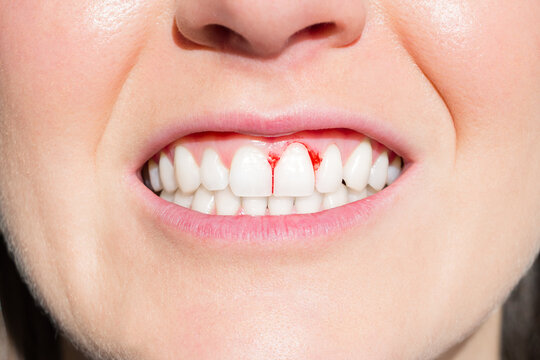
Bleeding gums are primarily a sign of inflammation. When your gum tissues become irritated, they become swollen, fragile, and prone to bleeding even under light pressure. Here are the most common culprits behind this condition:
1. Plaque Build-up and Gingivitis
The number one cause of bleeding gums is the accumulation of dental plaque—a sticky film of bacteria that constantly forms on our teeth. If plaque isn’t thoroughly removed through daily brushing and flossing, it hardens into a tough substance called tartar (calculus). The bacteria in plaque and tartar irritate the gums, leading to gingivitis, the earliest stage of gum disease. At this stage, gums become red, tender, and bleed easily.
2. Progression to Periodontitis
When gingivitis is left untreated, it can advance to a more severe form of gum disease known as periodontitis. In this stage, the infection spreads below the gumline, destroying the bone and tissues that support your teeth. The gums begin to pull away from the teeth, creating deep pockets that harbor even more bacteria, leading to chronic bleeding and potential tooth loss.
3. Aggressive Brushing or Wrong Tools
Sometimes, the cause is purely mechanical. Using a toothbrush with hard or stiff bristles, or scrubbing your teeth too aggressively, can severely traumatize the delicate gum tissue. Similarly, improper flossing techniques can cut into the gums rather than gently cleaning between them.
4. Hormonal Fluctuations
Hormones play a surprising role in oral health. During pregnancy, puberty, or menopause, hormonal shifts can increase blood flow to the gums, making them significantly more sensitive to bacteria and prone to what is often called “pregnancy gingivitis.”
5. Systemic Health and Lifestyle Factors
A lack of essential nutrients, particularly Vitamin C and Vitamin K, can impact your body’s ability to heal and maintain healthy tissues. Additionally, chronic stress, smoking, and certain medical conditions or medications (like blood thinners) can exasperate gum bleeding.
How Microdent Dentistry Treats Bleeding Gums
You don’t have to live with the discomfort and embarrassment of bleeding gums. At Microdent Dentistry, we offer a comprehensive, personalized approach to treating gum issues, utilizing advanced diagnostic tools and minimally invasive therapies.
Advanced Ultrasonic Scaling and Polishing
The baseline defense against bleeding gums is a professional cleaning. We use state-of-the-art ultrasonic scalers to gently and effectively remove hardened tartar and bacterial plaque from areas your toothbrush simply cannot reach. This is followed by a thorough polishing to leave tooth surfaces smooth, making it harder for plaque to reattach.
Deep Cleaning (Scaling and Root Planing)
If your gum disease has progressed beyond simple gingivitis, our team performs a specialized deep cleaning procedure. Scaling removes plaque and tartar from above and below the gumline. Root planing involves smoothing out the rough spots on the tooth roots, which removes embedded bacteria and provides a clean surface for your gums to reattach and heal properly.
Laser-Assisted Gum Therapy
At Microdent Dentistry, we embrace modern dental technology to elevate patient comfort. We utilize advanced dental lasers to target and eliminate harmful bacteria inside infected gum pockets. Laser therapy is incredibly precise, sterilized the area, minimizes bleeding during the procedure, and accelerates the natural healing process without the need for traditional surgery.
Personalized Oral Hygiene Counseling
We don’t just treat the symptoms; we empower you to maintain the results at home. Our dental professionals will evaluate your current brushing and flossing techniques, recommend the ideal tools (such as soft-bristled or electric toothbrushes), and guide you on an at-home regimen tailored exactly to your oral anatomy.
Don’t Wait for the Pain to Start
One of the biggest misconceptions in dental care is that if it doesn’t hurt, it isn’t serious. Early-stage gum disease is often completely painless, but ignoring bleeding gums can lead to irreversible bone loss and costly surgical interventions down the road.
If you have noticed your gums bleeding during your daily routine, let the expert team at Microdent Dentistry help you take control of your oral health. Schedule an appointment with us today for a comprehensive periodontal evaluation, and let’s restore your gums to absolute health.
Call Now: +91 72640 08000 / +91 90216 81032
Find Clinic here: Get Direction
Location: Ground Floor, block 4, Sarvadarshan Co-op Housing Society Ltd Abhinav Chowk, Karve Rd, opp. Saraswat Bank, Nal Stop, Pune, Maharashtra 411004
Frequently Asked Questions (FAQs)
Q1. Why are my teeth bleeding while brushing?
Bleeding while brushing is often caused by plaque buildup, gingivitis, or brushing too hard. If the problem continues for more than a few days, visit a dentist for a gum health evaluation.
Q2. Is blood when brushing teeth normal?
No. Blood when brushing teeth is not normal. Healthy gums should not bleed. It is usually an early sign of gum inflammation or gum disease that should be treated promptly.
Q3. Why do my gums bleed when flossing?
Gums bleed when flossing if plaque has built up around the gumline or if you have just started flossing regularly. Persistent bleeding may indicate gingivitis or periodontitis and should be checked by a dentist.
Q4. What causes blood from gums?
Blood from gums can be caused by plaque and tartar buildup, gum disease, aggressive brushing, hormonal changes, vitamin deficiencies, smoking, or certain medications.
Q5. How can I stop my gums from bleeding?
Maintain good oral hygiene by brushing twice daily with a soft-bristled toothbrush, flossing correctly, and scheduling professional dental cleanings. If bleeding continues, seek professional dental treatment.
Q6. When should I see a dentist for bleeding gums?
If your gums bleed frequently, are swollen, painful, or bleed for more than a week despite proper oral care, you should visit a dentist. Early treatment can prevent advanced gum disease and tooth loss.
