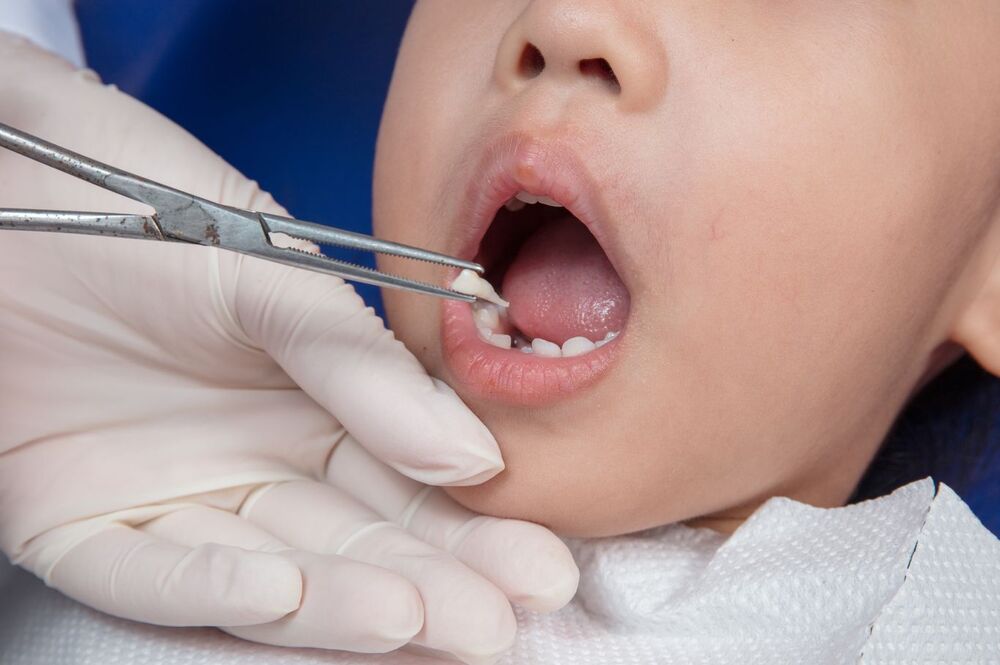

A child’s dental health plays an important role in their overall growth, nutrition and development. However, cavities in milk teeth can sometimes progress deeper into the tooth and affect the dental pulp, which contains nerves and blood vessels. When this happens, a simple dental filling may not be sufficient, and a procedure called pulpotomy treatment may be recommended.
Parents often wonder whether treating baby teeth is necessary when they eventually fall out. The answer is yes. Milk teeth help children chew properly, speak clearly and maintain space for permanent teeth.
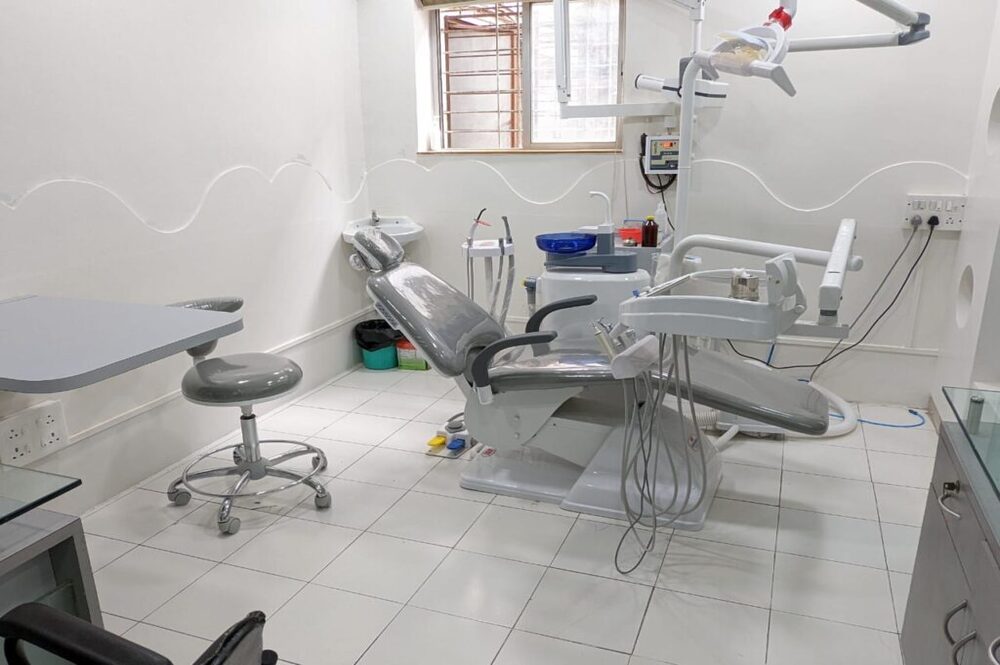
At Microdent Dentistry, Pune, children receive dental evaluation and treatment based on their individual oral health needs. If you are looking for a dentist in Pune for your child’s dental concerns, understanding pulpotomy can help you make informed decisions about their treatment.
What Is Dental Pulpotomy Treatment?

A pulpotomy is a paediatric dental procedure in which the affected portion of the pulp inside a primary (milk) tooth is removed while the healthy pulp tissue in the root canals is preserved.
The procedure is generally recommended when decay or dental injury affects the pulp in the crown portion of the tooth, but the remaining pulp tissue is considered healthy enough to retain.
Unlike a pulpectomy, which involves removing pulp tissue from the entire root canal system, a pulpotomy aims to preserve the healthy root pulp.
When Does a Child Need a Pulpotomy?
Not every cavity requires pulpotomy. A paediatric dental examination helps determine whether the procedure is appropriate.
Common situations include:
1. Deep Tooth Decay
When tooth decay extends beyond the enamel and dentin and reaches the pulp, a regular filling may not adequately address the problem. A pulpotomy may be considered if the remaining pulp tissue is healthy.
2. Persistent Toothache
Children experiencing spontaneous or prolonged tooth pain should be evaluated by a dentist. Such symptoms may indicate inflammation of the dental pulp.
3. Sensitivity and Discomfort While Eating
Some children experience discomfort when consuming hot, cold or sweet foods. If the symptoms are associated with deep decay, further examination may be required.
4. Dental Injury
A fall or accidental impact can damage a child’s tooth and expose or affect the pulp. Depending on the injury and pulp condition, different treatments may be recommended.
5. Deep Cavities in Milk Molars
Primary molars are important for chewing and maintaining space for permanent teeth. When deep cavities affect these teeth, pulpotomy may help preserve the tooth until its natural exfoliation.
How Is Pulpotomy Treatment Performed?
Pulpotomy is carried out after examining the affected tooth and assessing the pulp condition.
The general treatment process includes:
- Dental Examination: The dentist examines the affected tooth and may recommend an X-ray to assess the roots and surrounding structures.
- Local Anaesthesia: Local anaesthesia is administered to help make the procedure comfortable.
- Removal of Decay: The decayed portion of the tooth is removed carefully.
- Pulp Removal: The affected pulp tissue from the crown portion is removed while healthy root pulp is preserved.
- Pulp Dressing: A suitable biocompatible material is placed over the remaining pulp tissue.
- Final Restoration: The tooth is restored with an appropriate filling or crown, depending on the extent of damage.
The exact procedure and restorative material depend on the child’s clinical condition.
Which Materials Are Used in Modern Pulpotomy Treatment?
Modern paediatric dentistry uses different materials to protect the remaining healthy pulp tissue and support healing.
Some commonly used materials include:
Mineral Trioxide Aggregate (MTA)
MTA is a biocompatible material used in vital pulp therapy. It helps create a protective barrier over the remaining pulp tissue.
Biodentine
Biodentine is a calcium silicate-based material used in selected pulp treatments. It offers favourable biological properties and can support the preservation of vital pulp tissue.
Stainless Steel Crowns
After pulpotomy, a stainless steel crown may be recommended for primary molars with extensive decay or significant loss of tooth structure. It helps protect the treated tooth during its remaining functional life.
The selection of materials depends on the tooth, clinical findings and treatment requirements.
Pulpotomy vs Pulpectomy: What Is the Difference?
Parents often confuse these two paediatric dental procedures. Although both address problems involving the dental pulp, they are different treatments.
| Feature | Pulpotomy | Pulpectomy |
|---|---|---|
| Pulp removal | Coronal pulp only | Entire pulp tissue |
| Root pulp | Preserved | Removed |
| Main purpose | Preserve healthy root pulp | Treat infected or irreversibly damaged pulp |
| Restoration | Filling or crown | Filling or crown |
Your dentist will recommend the appropriate procedure after evaluating the tooth.
What Happens If Deep Cavities in Milk Teeth Are Left Untreated?
Ignoring dental cavities in children can lead to several complications:
- Increasing tooth pain and discomfort.
- Infection or dental abscess formation.
- Difficulty eating and chewing.
- Disturbed sleep due to dental pain.
- Premature loss of primary teeth.
- Possible effects on the development and eruption of permanent teeth.
Early dental treatment can help prevent these complications and maintain your child’s oral health.
How to Care for Your Child’s Teeth After Pulpotomy
Following the dentist’s instructions is important for recovery and long-term treatment success.
- Avoid hard and sticky foods until advised by the dentist.
- Maintain regular brushing with age-appropriate fluoride toothpaste.
- Encourage children to brush twice daily.
- Limit frequent sugary snacks and beverages.
- Attend scheduled dental follow-up appointments.
- Contact your dentist if pain, swelling or other unusual symptoms develop.
Regular dental check-ups can also help identify new cavities before they become extensive.
Why Choose Microdent Dentistry for Children’s Dental Care in Pune?
Choosing the right dental clinic is important when your child needs restorative dental treatment. Microdent Dentistry provides paediatric dental care with attention to children’s comfort, oral health and individual treatment requirements.
Dr. Rohit Joshi (BDS, MDS – Conservative Dentistry & Endodontics) has over 11 years of clinical experience and provides child-friendly dental care at Microdent Dentistry. The clinic focuses on explaining treatment procedures to parents and helping children feel comfortable during dental visits. Pediatric dentist near me+1
If you are searching for a dentist in Pune or a dental clinic in Pune for your child’s cavity treatment, consult Microdent Dentistry for an appropriate dental evaluation.
Book a Dental Consultation
- Clinic: Microdent Dentistry
- Doctor: Dr. Rohit Joshi
- Address: Ground Floor, Block 4, Sarvadarshan Co-op Housing Society, Abhinav Chowk, Karve Road, Opp. Saraswat Bank, Nal Stop, Pune.
- Contact: +91 72640 08000 / +91 90216 81032
Frequently Asked Questions
1. Is pulpotomy painful for children?
Local anaesthesia is used during the procedure to help minimise discomfort. The dentist also provides post-treatment instructions to manage any temporary discomfort.
2. Is pulpotomy necessary for every cavity in milk teeth?
No. Small cavities may require only dental fillings. Pulpotomy is considered when decay affects the pulp but healthy root pulp can still be preserved.
3. How long does a pulpotomy-treated milk tooth last?
A successfully treated primary tooth can remain functional until its natural shedding time. Regular dental monitoring is important.
4. Is a crown required after pulpotomy?
A stainless steel crown may be recommended, particularly for primary molars with extensive decay or significant structural damage.
5. When should parents take their child to a dentist?
Parents should arrange a dental examination if their child experiences toothache, sensitivity, swelling, difficulty chewing or visible cavities.