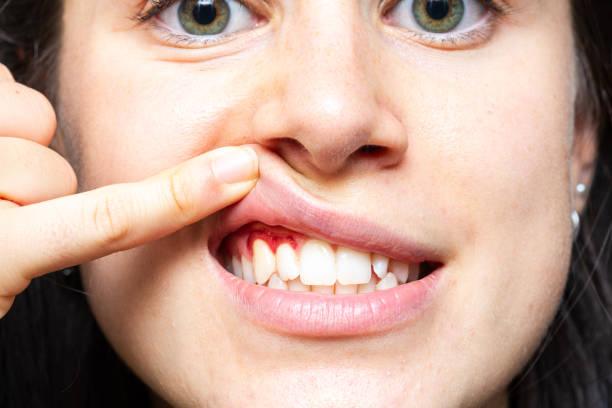

Dental fluorosis is a condition that affects the appearance of tooth enamel, usually developing during childhood when permanent teeth are forming. It can cause white spots, lines, or brown discoloration on the teeth. Understanding its causes, symptoms, and treatment options can help parents and individuals make informed decisions about oral health.
If you notice unusual marks or discoloration on your child’s teeth, a dental examination can help identify the cause and determine whether treatment is necessary.
What Is Dental Fluorosis?
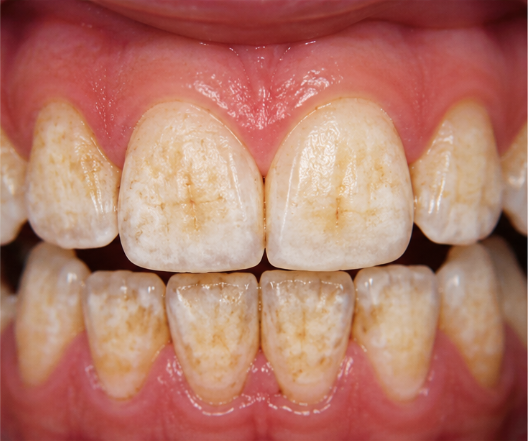
Dental fluorosis occurs when a child consumes excessive fluoride over a prolonged period while their teeth are developing beneath the gums. Fluoride helps strengthen tooth enamel and prevent cavities, but excessive intake during tooth development can affect enamel formation.
The condition usually becomes visible when permanent teeth emerge. Dental fluorosis is not contagious, and it generally does not cause pain. Its appearance can range from faint white lines to more noticeable brown stains or changes in the enamel surface.
A dentist in Pune can assess tooth discoloration and help distinguish dental fluorosis from other conditions, such as tooth decay or enamel defects.
Causes of Dental Fluorosis
The primary cause of dental fluorosis is excessive fluoride intake during tooth development. Common sources may include:
- Drinking water: Naturally occurring fluoride levels may vary between water sources.
- Swallowing toothpaste: Young children may accidentally swallow fluoride toothpaste while brushing.
- Fluoride supplements: Unnecessary or incorrectly dosed supplements may increase fluoride intake.
- Multiple fluoride sources: Using several fluoride-containing products without professional guidance may contribute to excessive intake.
Dental fluorosis develops only while teeth are forming. Adults do not develop new dental fluorosis after their teeth have fully developed, although existing fluorosis may become noticeable over time.
Symptoms of Dental Fluorosis
The appearance of dental fluorosis varies depending on its severity.
Mild Dental Fluorosis
Mild cases may involve faint white spots, thin white lines, or cloudy patches on the enamel. These changes are often subtle and may not affect normal tooth function.
Moderate Dental Fluorosis
Moderate cases may involve more noticeable white patches, widespread discoloration, or brown stains. The appearance can affect how a person feels about their smile.
Severe Dental Fluorosis
Severe cases may include pronounced staining, surface irregularities, or pitting of the enamel. A dental professional can evaluate the enamel and recommend appropriate management.
Not every white spot or stained tooth indicates fluorosis. A clinical examination is important before deciding on treatment.
Dental Fluorosis Treatment Options
Dental fluorosis treatment depends on the severity of the condition, the appearance of the teeth, and the patient’s individual needs. Not every case requires treatment.
1. Dental Polishing
In selected cases, professional polishing may help improve certain superficial stains. However, it does not remove all fluorosis-related discoloration.
2. Microabrasion
Dental microabrasion may be considered for selected superficial enamel changes. The procedure removes a very thin layer of affected enamel and is suitable only for cases assessed by a dental professional.
3. Tooth Whitening
For suitable adult patients, professional tooth whitening may help reduce the contrast between certain stains and the surrounding enamel. Results can vary, and whitening may not completely eliminate fluorosis marks.
4. Composite Bonding or Veneers
For more noticeable discoloration, composite bonding or dental veneers may be considered after an individual assessment. These options differ in cost, enamel preparation, maintenance, and suitability.
A dentist in Pune can explain the benefits, limitations, and potential risks of available treatments before a decision is made.
How to Prevent Dental Fluorosis
Prevention mainly involves managing fluoride intake while children’s teeth are developing.
- Use age-appropriate toothpaste: For children younger than three, use a rice-grain-sized smear. For children aged three to six, use no more than a pea-sized amount, unless a dentist advises otherwise.
- Supervise brushing: Help young children brush and encourage them to spit out toothpaste rather than swallow it.
- Check drinking water: If you rely on borewell or private-well water, consider testing its fluoride concentration when appropriate.
- Avoid unnecessary supplements: Give fluoride supplements only when recommended by a qualified healthcare professional.
- Schedule dental check-ups: Regular examinations can help identify enamel changes and support preventive oral care.
Fluoride remains important for preventing tooth decay when used appropriately. It should not be avoided unnecessarily without professional advice.
When Should You Visit a Dentist?
Consider arranging a dental examination if your child develops white patches, brown stains, or unusual changes in tooth enamel. An examination is also advisable when discoloration becomes more noticeable or you are unsure whether it is caused by fluorosis, decay, or another enamel condition.
A dental clinic in Pune can assess the affected teeth, discuss preventive measures, and explain suitable treatment options based on the clinical findings.
Dental Fluorosis Care at Microdent Dentistry, Pune
Microdent Dentistry provides dental care and assessment for patients with concerns about tooth discoloration and enamel health. If you notice unusual spots or staining on your teeth or your child’s teeth, seek a professional evaluation to understand the possible cause and appropriate next steps.
Choosing a dentist in Pune for an examination can help you understand your oral health needs and make informed decisions about dental care.
Frequently Asked Questions
Is dental fluorosis harmful?
Mild dental fluorosis generally affects the appearance of teeth rather than their function. More pronounced cases may involve enamel surface changes that require professional assessment.
Can dental fluorosis be reversed naturally?
Dental fluorosis-related enamel changes do not naturally reverse once the teeth have developed. Depending on the severity, a dentist may discuss cosmetic options to improve appearance.
Can adults develop dental fluorosis?
New dental fluorosis does not develop in adults because their tooth enamel has already formed. However, fluorosis that developed during childhood may remain visible.
Is dental fluorosis preventable?
The risk can be reduced by supervising children’s brushing, using age-appropriate amounts of toothpaste, and avoiding unnecessary fluoride supplements.
How do I find the right dental clinic in Pune for fluorosis?
Look for a qualified dental professional who can examine the teeth, explain the possible causes of discoloration, and discuss appropriate options without promising specific cosmetic results.
Call Now: +91 72640 08000 / +91 90216 81032
Find Clinic here: Get Direction
Location: Ground Floor, block 4, Sarvadarshan Co-op Housing Society Ltd Abhinav Chowk, Karve Rd, opp. Saraswat Bank, Nal Stop, Pune, Maharashtra 411004
Disclaimer: AI-generated content, reviewed and edited by a Dentist.